Passage of the bill irrevocably split the Whig Party, one of the two major political parties in the country at the time. Every northern Whig had opposed the bill; almost every southern Whig voted for it.
Who protested the Kansas-Nebraska Act?
Opposition to the Kansas-Nebraska Act inspired the formation of the Republican Party, which became the nation’s leading antislavery political party. It also drew Abraham Lincoln, a former one-term congressman from Illinois, back into the political arena.
Who was apart of the Kansas-Nebraska Act?
The Kansas–Nebraska Act of 1854 (10 Stat. 277) was a territorial organic act that created the territories of Kansas and Nebraska. It was drafted by Democratic Senator Stephen A. Douglas, passed by the 33rd United States Congress, and signed into law by President Franklin Pierce.
Who angered the Kansas-Nebraska Act?
The Act served to repeal the Missouri Compromise of 1820, which prohibited slavery north of latitude 36°30´. The Kansas-Nebraska Act angered many in the North who considered the Missouri Compromise to be a long-standing binding agreement, but it was strongly supported in the pro-slavery South.Why did northerners oppose the Kansas-Nebraska Act?
Many white Northerners opposed the Kansas-Nebraska Act in its final form. … Believing that slavery violated Christian precepts, some opponents objected to slavery on moral grounds, while other people simply did not want to compete economically with slave-owners if slavery was permitted in Kansas and Nebraska.
How did abolitionists react to the Kansas-Nebraska Act?
Answer and Explanation: Abolitionists reacted to the Kansas-Nebraska Act of 1854 with outrage. This Act essentially admitted Kansas as a slave state, even though it was located in an area where slavery was not supposed to proliferate, as per the Missouri Compromise of 1820.
Why did some Northern Democrats oppose the Kansas-Nebraska Act?
Many northerners view the passage of the Kansas-Nebraska Act as evidence of the slave power’s hostility to the North and the damaging effects it had on northern interests. Consequently, the Democratic Party faced significant backlash from its northern wing.
Why did most Whigs oppose the Kansas-Nebraska Act of 1854?
The Fugitive Slave Act of 1850 allowed slave owners to use the courts to recover their slaves. Why did most Whigs oppose the Kansas-Nebraska Act of 1854? … The act repealed the Missouri Compromise and raised the possibility of the expansion of slavery.Why did fighting break out in Kansas?
Why did fighting break out in Kansas in 1854 through 1861 ? The slavery supporters passed a law for slavery. … Because of this the anti-slavery supporters passed their own law. Eventually an outbreak of violence occured.
Why are people angry about the Kansas-Nebraska Act?People were angry about the Kansas-Nebraska Act because it was a de facto repeal of the 1820 Missouri Compromise. In 1820, the abolitionist movement compromised with pro-slavery advocates for the gradual abolition of slavery by containing it to the south.
Article first time published onWhy did Stephen Douglas introduce the Kansas-Nebraska Act?
In January 1854, Senator Stephen Douglas introduced a bill that divided the land west of Missouri into two territories, Kansas and Nebraska. He argued for popular sovereignty, which would allow the settlers of the new territories to decide if slavery would be legal there.
What happened to Nebraska in the Kansas-Nebraska Act?
Do not “fetter the limbs of [this] young giant.” At 5:00 in the morning, the Senate voted 37-14 to pass the Nebraska bill. It became law on May 30, 1854. The Kansas-Nebraska Act repealed the Missouri Compromise, created two new territories, and allowed for popular sovereignty.
Which problem did the Missouri Compromise The Compromise of 1850 and the Kansas-Nebraska Act attempt to solve?
Which problem did the Missouri Compromise, the Compromise of 1850 and the Kansas-Nebraska Act attempt to solve? The notion that the people of a territory should determine if they want to be a slave state or a free state.
Why was the Nebraska territory split into two parts?
Terms in this set (6) The bill divided the region into two territories-Kansas & Nebraska. Each territory would decide for itself whether or not to permit slavery. Abraham Lincoln,was elected as President, who wanted the West be free of slavery. The Southern planters did not want this.
How did the Kansas-Nebraska Act contribute to tension between the North and South?
How did the kansas nebraska act contribute to tension between the north and south? Southerners hoped slavery would be allowed, since the issue was to be decided by popular sovereignty. Northerners were angry that the ban of slavery under the Missouri Compromise was ended.
Did the south support the Kansas-Nebraska Act?
The Kansas-Nebraska Act was passed by the U.S. Congress on May 30, 1854. It allowed people in the territories of Kansas and Nebraska to decide for themselves whether or not to allow slavery within their borders. … In the pro-slavery South it was strongly supported.
Did Henry Clay support the Kansas-Nebraska Act?
Although Southerners did not like the geographic boundary placed on slavery, they agreed to the compromise. Speaker of the House, Henry Clay of Kentucky, helped win approval of the compromise in the House of Representatives. Missouri and Maine were admitted to the union.
How did abolitionists react to the Kansas-Nebraska Act quizlet?
(04.02 MC)How did abolitionists react to the Kansas-Nebraska Act? They set up a society to encourage people to move there so they could vote against allowing slavery. … Some refused outright to honor it, and some abolitionists actively helped runaway slaves to evade it.
Why did the Kansas-Nebraska Act fail?
The Kansas-Nebraska Act failed to end the national conflict over slavery. … Antislavery forces viewed the statute as a capitulation to the South, and many abandoned the Whig and Democratic parties to form the REPUBLICAN PARTY. Kansas soon became a battleground over slavery.
Were there slaves in Kansas?
Slavery existed in Kansas Territory, but on a much smaller scale than in the South. Most slaveholders owned only one or two slaves. Many slaves were women and children who performed domestic work rather than farm labor.
Why did the Kansas-Nebraska Act end in bloodshed?
Why did the Kansas-Nebraska Act lead to bloodshed in Kansas? Popular sovereignty led to a corrupt election process whereby southerners traveled to Kansas to illegally cast a vote for slavery, and this angered the northerners, which led to bloodshed.
Who were the Jayhawkers in Kansas?
Jayhawkers is a term that came into use just before the American Civil War in Bleeding Kansas. It was adopted by militant bands of Free-Staters. These bands, known as “Jayhawkers”, were guerrilla fighters who often clashed with pro-slavery groups from Missouri known at the time as “Border Ruffians”.
How did the Kansas-Nebraska Act of 1854 affect the Indian tribes of the territory?
Stephen Douglas, the Kansas-Nebraska Act sought to organize the vast swath of land from north of the Indian territories all the way up to the Canadian border for American settlement. … It also had banned slavery in territories north of Missouri’s southern border.
Were Kansas and Nebraska a free state?
On January 29, 1861, Kansas is admitted to the Union as free state. … In 1854, Kansas and Nebraska were organized as territories with popular sovereignty (popular vote) to decide the issue of slavery.
Did Abraham Lincoln win any Southern states?
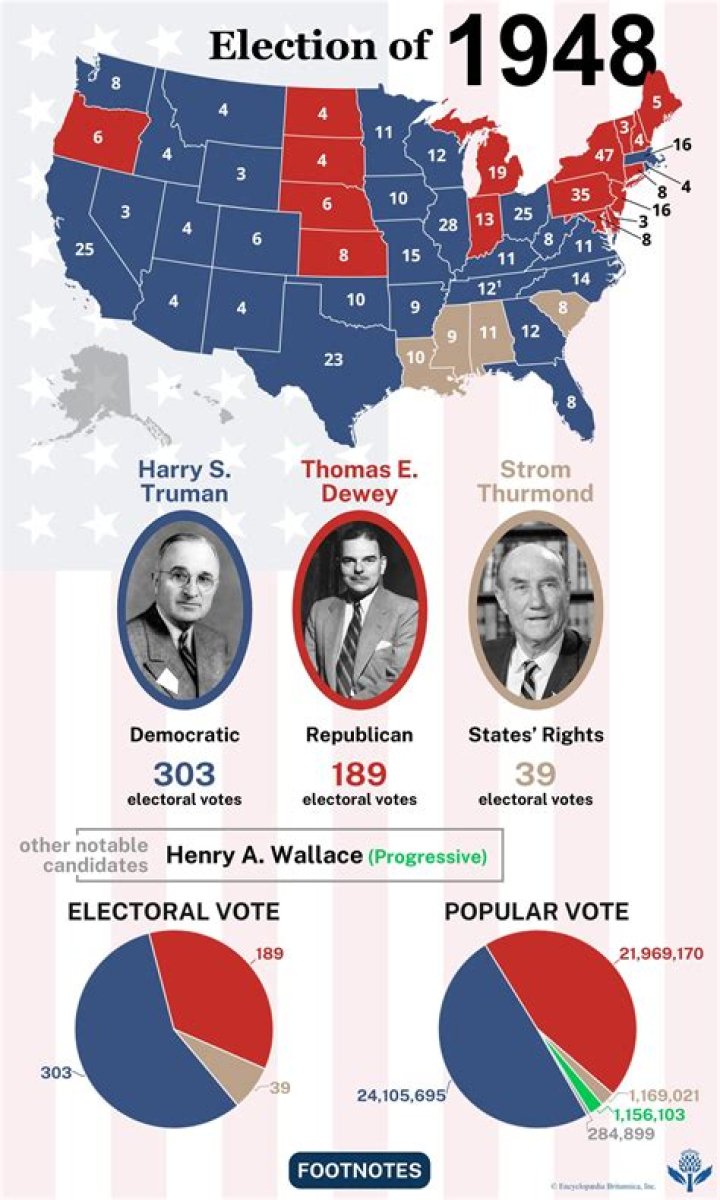
In a four-way contest, the Republican Party ticket of Abraham Lincoln and Hannibal Hamlin, absent from the ballot in ten slave states, won a national popular plurality, a popular majority in the North where states already had abolished slavery, and a national electoral majority comprising only Northern electoral votes.
Why did Stephen Douglas want a transcontinental railroad?
While he served in the House and in the Senate, Douglas played an important role in resolving differences between Northerners and Southerners over the issue of slavery. … Douglas hoped that this act would lead to the creation of a transcontinental railroad and settle the differences between the North and the South.
Why did violence break out in Kansas in the 1850s?
The years of 1854-1861 were a turbulent time in the Kansas Territory. … In Kansas, people on all sides of this controversial issue flooded the territory, trying to influence the vote in their favor. Rival territorial governments, election fraud, and squabbles over land claims all contributed to the violence of this era.
Why did the North oppose slavery?
The North wanted to block the spread of slavery. They were also concerned that an extra slave state would give the South a political advantage. The South thought new states should be free to allow slavery if they wanted. as furious they did not want slavery to spread and the North to have an advantage in the US senate.
Why did the Missouri crisis trigger threats of disunion and war identify the positions of both Southern slaveholders and northern opponents of the spread of slavery?
Why did the Missouri Crisis trigger threats of disunion and war? … Northern politicians disliked the terms of the Missouri Compromise because it allowed the expansion of slavery into the lands acquired in the Louisiana Purchase. They feared this would lead to the West being dominated by slaveholders.
What did the Missouri Compromise do to try to avoid conflict?
This agreement allowed Missouri to enter the United States as a slave state and Maine to enter as a free state. The Congress thus maintained the balance between slave and free states. To avoid additional conflicts in the future, the Congress also created the Missouri Compromise line.