A ‘bucket handle’ joint is formed with a jointer that is half round or circular in section. The tool is pulled along the joint in contact with the edges of the bricks on either side. … Purpose-made metal jointing tools are available, but off-cuts of metal or rubber tubing are frequently used.
Why is it called tuck pointing?
The term tuckpointing derives from an earlier, less sophisticated technique that was used with very uneven bricks: a thin line, called a tuck, was drawn in the flush-faced mortar, but left unfilled, to give the impression of well-formed brickwork. “Wigging”, an Irish technique similar in effect, reverses the order.
What does tuck pointing do?
Tuck pointing is the process of removing old, disintegrating mortar from the brick joints and replacing it with new. No healthy bricks need be removed during the repair. … Once the technician digs or grinds out the old mortar, a fresh new batch of concrete goes into the joints.
What is a bucket handle in construction?
bucket-handle joint (concave joint, bar joint) A concave *pointing finish in brickwork formed using a buckle handle, a length of hosepipe, or a trowel handle.What are the types of pointing?
There are various types of pointing in construction like Flush Pointing, Weathered Pointing, Keyed Pointing, V-Grooved Pointing, Beaded Pointing, Struck Pointing, Recessed Pointing, Tuck Pointing.
Is tuckpointing the same as masonry?
Although they do not mean exactly the same thing, the words tuckpointing and repointing are often used interchangeably in the masonry industry. … Repointing is the actual process of removing damaged mortar joints and renewing them. Tuckpointing is similar, but is not always completed for damage control.
What is the difference between tuck pointing and repointing?
While tuckpointing is more of a preventative and aesthetic fix, repointing is the process of sealing mortar joints that are exposed to the elements. This particular job keeps water out to prevent further cracking or much larger repairs from taking place.
Is tuck pointing necessary?
Tuckpointing helps to prevent water from entering into the chimney system. If the mortar joints are not repaired, water will seep down the chimney and sometimes between the chimney and the flue lining. Moisture can do a serious amount of unseen damage, such as cause mold, mildew, and rotting wood.What is a recessed joint?
recessed pointing recessed pointing. In masonry, a joint in which the mortar is pressed back, about ¼ in. (6 mm) from the wall face, to protect the mortar from peeling.
What happens if you don't tuck point?If you don’t tuckpoint when your stone or brick wall needs it, the masonry wall will deteriorate to the point that the only fix is to tear it down and relay it.
Article first time published onWhy is repointing necessary?
Repointing is the process of taking out and replacing the mortar (‘pointing’) from the face of a masonry joint. Done properly, this helps exclude the weather and retard deterioration of the wall. … Unsatisfactory repointing can not only be visually disturbing but harmful to the actual fabric it is intended to protect.
What is the most common type of pointing?
- Flush: The mortar is finished off flush with the face of the masonry units.
- Recessed or raked: Mortar is pressed back from the face of the masonry units by 5 mm or more. …
- Beaded, concave, half round or bucket handle: A more rounded type of pointing with a concave edge.
What procedure should be followed for pointing?
- The mortar of the masonry joints to be covered by pointing is raked out at least to a depth of 20 mm.
- The dust from the masonry joints is removed by brushes.
- The surface is then washed with clean water and it is kept wet for a few hours.
What is jointing and pointing?
Refers to the method of finishing the face of mortar joints as the wall is built. This method has the advantage of leaving the bedding mortar undisturbed, ensuring a homogeneous joint which has a greater resistance to frost action than a later pointed finish.
Why is tuckpointing so expensive?
Labor. The biggest contributing factor to the cost of tuckpointing for your home will be the labor cost involved. It’s a laborious process and even if the contractor or mason is using electrical equipment there is a lot of hand mixing and handwork that needs to be done as well.
What is the difference between pointing and repointing?
Repointing is the actual process of removing damaged mortar joints and renewing them. … Tuckpointing is a style used for pointing that includes the use of two different colors of mortar in order to alter the appearance of mortar joints.
What happens if you don't repoint brickwork?
This means that wetting and drying of the wall happens in the bricks themselves, resulting in frost damage. You will end up with the bricks eroding before the pointing, which is exactly what you do not want.
Can you do pointing in the rain?
One thing is very important to note, however – repointing should never be tackled during the winter, as wind and rain will damage the freshly-applied mortar.
What type of mortar is used for repointing?
Type O mortar, or high-lime mortar, a softer mortar with a low compressive strength of 350 psi, is best suited to repointing for several reasons. The first reason is that type O mortar is softer than the older bricks, and it allows the bricks to expand or contract from temperature changes or stress.
Can I repoint brick myself?
Repointing is a straightforward job and the materials required are not expensive — but the cost of the labour involved in brickwork repointing can be quite high. It can also be hard to find a builder willing to take on small repointing jobs, which is why many people choose to carry out repointing on a DIY basis.
What tools do I need for repointing?
- brick hammer.
- Pointing chisel.
- Paint brush.
- Bucket.
- Pointed trowel.
- Finishing trowel.
- Margin trowel.
Is recessed pointing good?
Recessed Pointing A square-edged jointer or a slipper iron in a wheeled jointing tool can be used. A recess of about 5mm produces a good visual effect; exaggerated recessing of 10mm or more should be avoided.
What is a perp in bricklaying?
The term ‘perpend’ refers to the vertical joints between blocks or bricks that have been laid in a horizontal course to form a wall. Perpends are normally filled and sealed with mortar. The horizontal mortar joint in a wall construction is typically referred to as the bed joint.
How much does tuckpointing cost?
Tuckpointing costs $500 to $2,500 for 100 square feet or $5 to $25 per square foot, depending on location and accessibility. Repointing costs slightly less at $3 to $15 per square foot. About 80% to 90% of the cost comes from labor. Above 8 feet, you’ll pay about 20% more for increased time and scaffolding.
What's the best mortar to use for tuckpointing?
Type N — A common mix for tuckpointing, and laying softer materials, Type N is the most flexible and resilient @ 750 PSI.
How often should you tuck point your house?
Tuckpointing is the process of removing and replacing the mortar joints in between the brickwork on your home (or any wall really). Generally speaking, you should re-do the Tuckpointing in your home every 10-15 years.
Can tuckpointing be done in winter?
Yes and no. The ideal time to have any type of exterior work on your home done is during the spring or fall months when the weather is more temperate (that is, anywhere between 40 and 90 degrees Fahrenheit).
How long will tuckpointing last?
Brick, stone, or block may last up to 100 years. The mortar joints mainly last for around 20 to 30 years depending on their exposure to different weather conditions.
Is tuckpointing noisy?
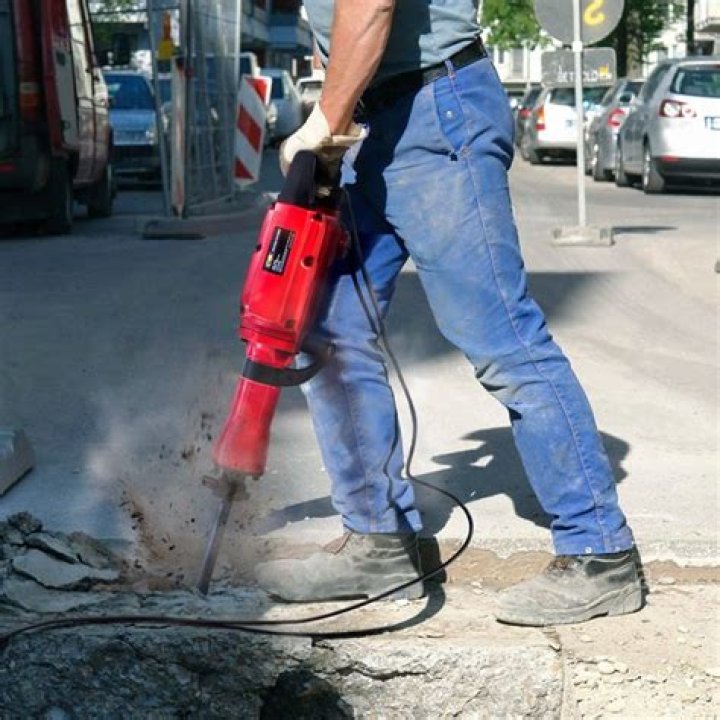
Tuckpointing is Messy The grinders that remove old mortar can be noisy and dirty. To minimize the amount of dust penetrating the building’s interior, the work crew will cover your windows and those of the neighbors and add some protection to landscaping if possible.
Does pointing help damp?
Repointing will stop damp, but only if it is the source of the problem. Damaged pointing can cause penetrating damp. This is when water penetrates through the joints into your wall. … However, fixing your pointing won’t do much to repair damp from other issues, such as condensation or rising damp.
What is weathered pointing?
Weathered pointing is a modification of flush pointing. The face of the pointing is kept inclined, with its upper edge pressed inside the face by about 10 mm. Weathered pointing throws off rain water and is considered fairly durable; however, it’s fairly difficult to achieve.