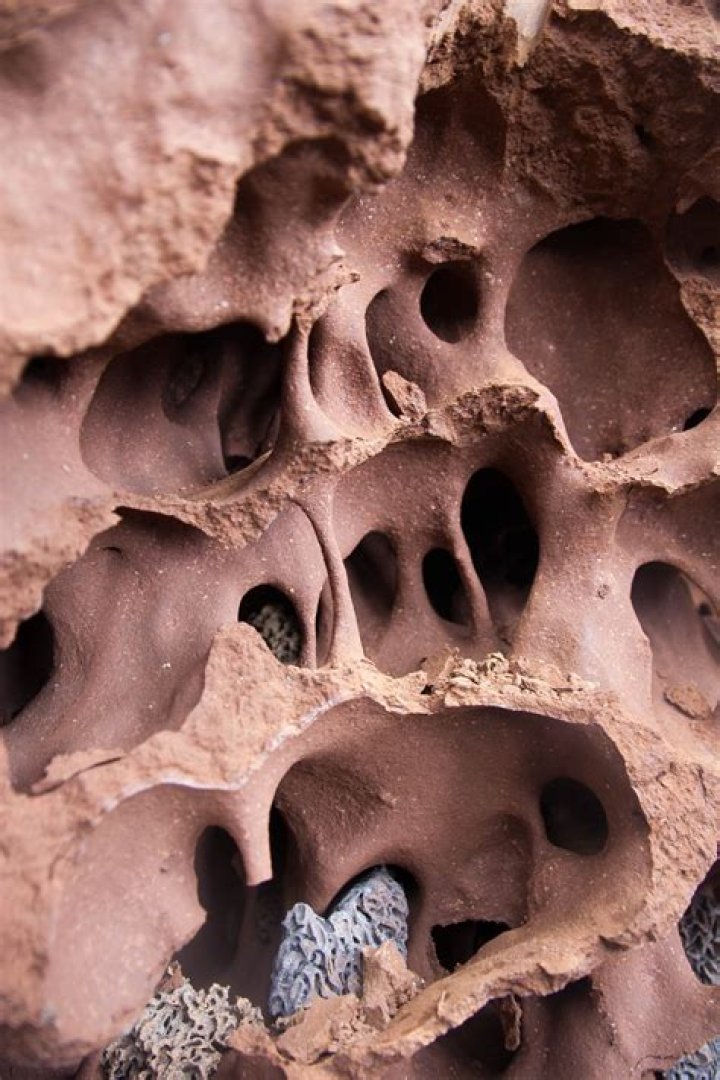
A biofilm is a collection of organic and inorganic, living and dead material collected on a surface. It may be a complete film or, more commonly in water systems, small patches on pipe surfaces. Biofilms in drinking water pipe networks can be responsible for a wide range of water quality and operational problems.
How do you get rid of biofilm in water pipes?
The rough particles in the baking soda will dislodge any biofilm from the plumbing surfaces, while the basic pH will also help in chemically removing most of the waste. It’s very simple to use baking soda for this indication; you only need to wet a rag, put a bit of the baking soda in it and then scrub away.
Is biofilm in water harmful?
As a result, biofilms can act as a slow-release mechanism for persistent contamination of the water. The organisms and their products may decrease disinfectant levels (by increasing disinfectant demand), pose a direct public health risk, or create taste and odor problems.
What causes biofilm in water pipes?
Biofilm forms when microorganisms such as bacteria, fungi, yeasts, viruses, algae and protists stick to each other and grow on a surface. The surfaces can be anything moist from a drain, rocks or unbrushed teeth. Biofilms protect themselves with a sticky coating called extracellular polymeric substances.How do you prevent biofilms on a pipe?
To thwart biofilm formation, intensive disinfection is performed to the piping system at regular intervals. These methods can be expensive and, in the instance of hot steam cleaning, leave residual moisture for biofilm to harbor. This continuous cycle of cleaning can be costly.
How do you get rid of biofilm build up?
To remove biofilm in your plumbing you will need to add a pipe cleaning product, typically right before draining. The cleaner is added with the jets running for a few cycles to allow it to properly circulate through the plumbing system. The hot tub is then drained and re-filled with fresh water.
Does vinegar remove biofilm?
This in situ study reveals that rinsing with vinegar for only 5 s alters the pellicle layer resulting in subsurface pellicle formation. Furthermore, vinegar rinsing will destruct mature (24-h) biofilms, and significantly reduce the viability of planktonic microbes in saliva, thereby decreasing biofilm formation.
What problems do biofilms cause?
Some of the human diseases caused by bacterial biofilms-associated infections are wound infection, osteomyelitis, chronic sinusitis, central nervous system shunt infection, contact lens-associated keratitis, chronic otitis media, cochlear implant infection, burn-related infection, intravascular catheter infection, …Is biofilm hazardous?
Because the protective shell can keep out potential treatments, biofilms are at their most dangerous when they invade human cells or form on sutures and catheters used in surgeries. In American hospitals alone, thousands of deaths are attributed to biofilm-related surgical site infections and urinary tract infections.
Are biofilms more sensitive to antibiotics?Biofilm bacteria show much greater resistance to antibiotics than their free-living counterparts and our interest is to investigate the mechanistic basis of this phenomenon. One potential reason for this increased resistance is the penetration barrier that biofilms may present to antimicrobials.
Article first time published onIs biofilm good or bad?
Biofilms affect the sea food and aquaculture industries by clogging cages and interfering with nutrient inflows. Biofilms have numerous harmful effects that are associated with the medical industry, such as infections associated with the insertion of tubes, catheters, and valves, as well as surgery.
What does biofilm look like?
They are microscopic, but can present themselves as a shiny film. There are no signs and symptoms of infection. When the biofilm become larger, you can then identify them much easier. Biofilms are usually composed of mixed strains of bacteria, fungi, yeasts, algae, microbes, and other cellular debris.
Are biofilms all that harmful?
The truth is that all biofilms are not bad. We can even look to nature to provide fine examples of biofilms, such as fuel cells and marine engineering systems. Recently however, there has been a lot of attention on biofilm formation on contact lenses and lens storage cases.
How do you remove biofilm from a shower drain?
Biofilm Can Cause the Shower Drain to Smell To clean the biofilm in the drain, you can take a paint roller cover and put it in hot water and then in disinfectant. Stick it in to the drain and spin it around to get the disinfectant on the drain walls. Continue to spin the paint roller cover around.
How do you know if you have biofilm?
What are the signs that a biofilm has developed? The wound that has been infected with bacteria forming a biofilm may be much slower to heal or not heal at all, and may not improve with standard antibiotics. It may look sloughy or have an unpleasant smell.
What cleaner kills biofilm?
Bleach, harsh oxidizing cleaning products, and petrochemical-derived detergents called surfactants combined with scrubbing are the most effective methods of removing biofilms.
How do you get rid of biofilm naturally?
- Garlic has been found to be effective against fungal biofilms. …
- Oregano. …
- Cinnamon. …
- Curcumin. …
- N-acetylcysteine (NAC) …
- Cranberry can be used to treat UTI-associated biofilms. …
- Ginger.
What does biofilm feel like?
It’s true; the texture of biofilm can feel like fuzzy little sweaters on your teeth. Biofilm occurs when bacteria stick to a wet environment, creating a slimy layer of microorganisms and random debris. Biofilm is a diverse and highly organized group of biological matter all webbed together.
Can biofilms be removed?
The removal and killing of established biofilms requires harsh treatments, mostly using oxidising biocides. Depending on the nature of the biofilms, different biocides may be useful and the best biocide for a specific biofilm still has to be determined under practical conditions.
How long does it take to get rid of biofilm?
Without consistent care, biofilms can reestablish themselves within as little as 24 hours. This makes it extremely important that health care professionals increase the frequency of cleansing and debridement when a biofilm is suspected.
What are the disadvantages of biofilm?
The major disadvantage of biofilms include, high corrosivity, and lack of machine stability. Biodispersants are designed to ensure that microorganisms are dispersed into the process water. They are effective in performing a function using a multiple of mechanisms, and are treated as a substitute to a biocide.
How does biofilm affect the body?
It readily forms biofilms and can lead to infections of organs such as skin and lungs. Infections related to biofilms can cause significant morbidity and mortality. The most vulnerable patients are those with implantable medical devices and those with a weakened immune system. The infections can be difficult to treat.
What is biofilm in the bladder?
A biofilm is a community of bacterial cells that stick together, and attach to the bladder wall (or in some cases, even inside the cells of the bladder wall!). This community can be fungal as well as bacterial, and there can be more than one pathogen present.
Do biofilms cause inflammation?
In hosts, biofilm formation may trigger drug resistance and inflammation, resulting in persistent infections.
How is biofilm treated?
We believe that biofilm treatment at present should include removal of infected indwelling devices, selection of well penetrating and sensitive antibiotics, early administration of high dosage antibiotics in combination and supplemented with anti-QS treatment and/or biofilm dispersal agents.
Can biofilm cause infections?
Bacterial biofilms are usually pathogenic in nature and can cause nosocomial infections. The National Institutes of Health (NIH) revealed that among all microbial and chronic infections, 65% and 80%, respectively, are associated with biofilm formation.
Why are biofilms drug resistant?
By forming a biofilm, bacteria protect themselves from host defense, disinfectants, and antibiotics. Bacteria inside biofilm are much more resistant to antimicrobial agents than planktonic forms since bacteria that are unresisting to antimicrobial agents in any way can turn resistant after forming a biofilm.
Do all bacteria produce biofilms?
The ability to form biofilms is a universal attribute of bacteria. Biofilms are multicellular communities held together by a self-produced extracellular matrix. The mechanisms that different bacteria employ to form biofilms vary, frequently depending on environmental conditions and specific strain attributes.
Does E coli make a biofilm?
Escherichia coli biofilm consists of a bacterial colony embedded in a matrix of extracellular polymeric substances (EPS) which protects the microbes from adverse environmental conditions and results in infection. … coli biofilm is also responsible for indwelling medical device-related infectivity.
What are the benefits of biofilm?
Biofilm is a strong and dynamic structure that confers a broad range of advantages to its members, such as adhesion/cohesion capabilities, mechanical properties, nutritional sources, metabolite exchange platform, cellular communication, protection and resistance to drugs (e.g., antimicrobials, antiseptics, and …
Why is a biofilm important?
Bacterial biofilm is a key reason for the contamination of medical devices and the generation of microbial and chronic infections in the body. In fact, biofilms are the source of a number of human diseases as they cause serious infections and have antimicrobial drug resistant features.