Iris. Iris species, including Japanese, Louisiana, bearded and more, tend to perform very well on heavy soil. … Miscanthus. Ornamental grasses do very well in clay. … Heuchera. … Baptisia. … Platycodon. … Hosta. … Aster. … Rudbeckia.
What plants are good in clay soil?
- Roses.
- Daylily.
- Foxglove.
- Euphorbia characias subsp. wulfenii.
- Elder.
- Hydrangea macrophylla.
- Lychnis coronaria.
- Thalictrum.
Can perennials grow in clay soil?
Grow this plant in full sun—it is not shade tolerant. It will grow well in your average clay soil, requiring the same amount of water as most of your other perennials like daisies and daylilies. … They will grow in your clay soil, but you’ll want to amend it with compost or finely shredded bark to improve the drainage.
Can you plant flowers in clay soil?
Choose Plants for Clay Soil Gardeners with sunny spots can choose daylilies, coreopsis, and asters. Gardeners with shady clay soils can plant forget-me-not and ajuga.Will hydrangeas grow in clay soil?
Yes, you can grow hydrangeas even in clay soil! In fact, smooth hydrangeas, also known as Annabelle hydrangeas, are native to North America and grow naturally in very heavy clay soils without a problem.
What color will hydrangeas be in clay soil?
Clay soil can be both acidic and alkaline, depending on what other components are contained in it. However, such soil tends to be alkaline, so most likely, the color of hydrangea flowers will be pink.
How do you make a flower bed in clay soil?
- Use a garden fork and rotary tiller to break up the clay soil within the planting bed.
- Spread an even layer of expanded shale over the soil, then till in the shale to a depth of 6 to 8 inches.
- Cover the tilled bed with a thick layer of compost. …
- Till the compost 4 inches into the soil.
Will petunias grow in clay soil?
While soil needn’t be terribly rich to grow good petunias, it must drain decently. … Helps open up heavy clay soil, which improves drainage, but can also increase the ability of light, sandy soil to hold moisture and nutrients.Can tulips grow in clay soil?
Besides good drainage, tulips like fairly loose soil. Though they will grow in clay soil, it’s harder for them to persist year to year in heavy soil. Amending with pumice or gravel when you plant is helpful.
How do you plant hydrangeas in clay soil?Dig a hole as deep as the pot and at least twice as wide. If your soil is clay like mine, dig a little deeper to move out the clay (and here, shale). Then add back in amended soil so that the top of the root ball is even with the top of the ground.
Article first time published onWill marigolds grow in clay soil?
When planting marigolds, choose a spot in full sun. … As you ponder where to plant, understand that these annual flowers crave fertile, well-drained soil. Marigolds planted in heavy clay soil that doesn’t drain well are usually not productive.
Do hostas like clay soil?
Hostas will do very well in clay soils as long as they are properly amended first with organic matter such as leaf mould or garden compost. These materials provide the ideal conditions for the hostas roots which is to hold moisture but to allow excess water to drain away.
Do peonies grow in clay soil?
Plant your peony in fertile, free-draining soil. These flowers are not generally too fussy about the soil and are quite happy in chalky or clay soils provided that it is free draining. They don’t like to sit in water in the winter.
What grows well in heavy clay soil?
- Iris. Iris species, including Japanese, Louisiana, bearded and more, tend to perform very well on heavy soil. …
- Miscanthus. Ornamental grasses do very well in clay. …
- Heuchera. …
- Baptisia. …
- Platycodon. …
- Hosta. …
- Aster. …
- Rudbeckia.
Do lilacs grow in clay soil?
More than any other plant, gardeners seem to have a fascination for lilacs. Plants should be kept constantly moist until they are established, but avoid overwatering, as they do not like wet feet. …
Will azaleas grow in clay soil?
SOIL PREPARATION & ORGANIC MATTER Very heavy (clay) and very fine particles (silt) are not suitable. … There is little point in spending money on rhododendrons and azalea if you are not prepared to do some soil preparation. Improve the soil in an area much bigger than the rootball so there is room to grow.
What mulch is best for clay soil?
- Wood Chips. Wood chips are readily available at many commercial stores, and some areas even allow gardeners access to their piles of chipped branches resulting from around-town cleanup. …
- Tree Bark. …
- Hulls/Shells.
What do purple hydrangeas mean?
Hydrangeas commonly come in shades of pink, blue, purple, and green. … Pink hydrangeas symbolize heartfelt emotion. Blue hydrangeas symbolize frigidity and apology. White hydrangeas symbolize boasting or bragging. Purple hydrangeas symbolize a desire to deeply understand someone.
What does Epsom salt do to hydrangeas?
Epsom salt is already hydrated and does not pull water from nearby materials. When the ions of Epsom salt disassociate, they have a neutral effect on the pH of the soil. Since the blue color of a hydrangea is formed by aluminum made available in acid soil, adding Epsom salt would not make your flowers change color.
What side of the house do you plant hydrangeas?
No matter what part of the country you live in, the north-facing side of your home is largely without sunlight. Hydrangeas also thrive in wooded areas, so they do well when planted near small evergreens or woody shrubs.
Can I plant daffodils in clay soil?
Soil type: Narcissi are very tolerant bulbs. They’ll grow well on a light, sandy soil and they also grow happily with me on heavy clay if I add lots of grit to their planting position. Aspect & position: Full sun is ideal, but daffodils will tolerate partial shade.
Can daffodils grow in clay soil?
When planting in clay soil, the bulb ought to be planted at least eight inches deep. There are several methods of putting the bulbs into sod or soil which is not cultivated. … Then work the hole by rotating the bar, then drop in sand, peat and fertilizer mix, add a handful of sand and then the bulb.
Will bulbs rot in clay soil?
Most spring bulbs do best in very well-drained soil – which can be a problem for those of us who garden on heavy clay.
Can you grow lavender in clay soil?
It prefers poor, dry or moderately fertile soil, including chalky and alkaline soils. Lavender will not thrive in heavy clay soil or any soil that becomes waterlogged over winter.
Can coreopsis grow in clay soil?
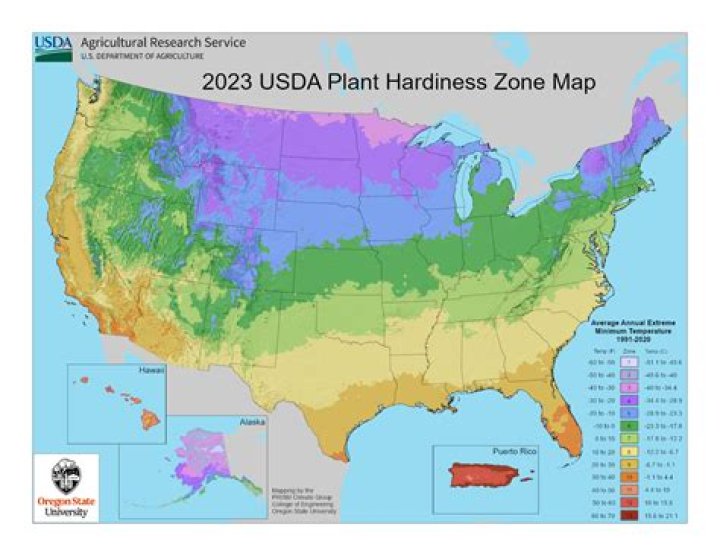
Coreopsis is a clay loving, long summer blooming, ground covering flower. It grows in zones 3-9. Another name for this flower is cranesbill and is name so because of its seedpod. This flower is another great ground cover that will grow well with clay soil.
Are impatiens annuals or perennials?
Common NameImpatiens, busy LizzyBotanical NameImpatiens spp.FamilyBalsaminaceaePlant TypeTender perennial, usually grown as an annualMature Size6–36 in. tall; 1–3 ft. wide
Do coffee grounds make hydrangeas blue?
Some gardeners report success in turning their hydrangeas blue by applying coffee grounds to the soil. The coffee grounds make the soil more acidic, allowing the hydrangea to more easily absorb aluminum.
Will Endless Summer hydrangea grow in clay soil?
The ideal soil type for these plants is loam. If you have a heavy clay soil, add gypsum to the soil to break up the clay and allow for drainage.
Is clay soil acidic or alkaline?
Most types of soil, including clay, which tends to be slightly alkaline, will benefit from the addition of organic matter.
Can sunflowers grow in clay soil?
Sunflowers (Helianthus spp.) are low-maintenance plants, grown as annuals in all U.S. Department of Agriculture plant hardiness zones. … For planting sunflowers in high-clay soil with slow drainage, soil amendments are recommended.
Will creeping phlox grow in clay soil?
Choose a spot in your garden that will offer the creeping phlox either partial shade or full sun. This location should also have soil that drains well. Creeping phlox can handle sand, clay, alkaline soils and acidic soils.