Get a towel wet with really warm water. … Heat an old iron to its hottest setting. … Lift up the towel and use the metal scraper to gently lift the veneer up all the way. … Repeat steps 2-3 until the veneer is all removed.Sand the new wood with 220 grit sandpaper to smooth it out.
Can you strip a veneer table?
If the finish is really thick, you may want to do another coat of stripper. Since the veneer is very thin, you want to sand as little as possible. The stripper is used for removing the finish and stain – the sanding is just to smooth the any scratches. Using 150 grit sandpaper sand in the direction of the veneer grain.
Can you sand off veneer table top?
Sand the tabletop by hand using a fine-grit sanding sponge or sandpaper and a sanding block, working in the same direction that the wood grain runs. Sand through the finish just enough to reveal the bare veneer. Remove the finish around the tabletop edge using a fine-grit sanding sponge or sandpaper.
Is it hard to remove a veneer?
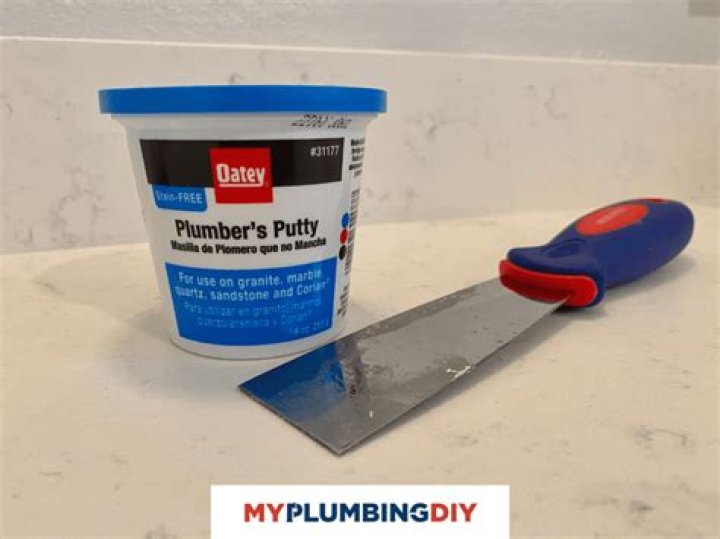
Get a water saturated (but not dripping wet) towel to cover your surface and drape it over top of the veneer you want to remove. … After a couple hours, take a firm putty knife and scrape off the veneer. If you did it correctly, it should lift off fairly easy! The entire desk took me about 40 minutes or so to scrape.How do you remove veneer from furniture?
- Remove loose pieces of veneer by hand. …
- Use a metal putty knife/scraper in a HORIZONTAL position to pry off the veneer. …
- If your “people-power” couldn’t get all the veneer off, use a hammer. …
- Use an old blow-dryer and your putty knife.
How can you tell if wood is solid or veneer?
- Solid wood furniture is usually heavier than a veneered piece. …
- You’ll be able to feel the grain if a piece is made of solid wood. …
- Veneered furniture tends to have a uniform, “finished” appearance on all sides. …
- The use of edge banding is another mark of a veneered piece.
Can veneer be sanded?
Can You Sand Veneer? As you might expect, veneered pieces are very delicate and require careful sanding to avoid irreversible damage. If you sand veneer too much, you may render it unusable. … While hand sanding may work for thin pieces and small applications, you should not attempt to sand a large surface area by hand.
What kind of wood is under veneer?
Veneer is technically a thin layer of hardwood, usually thinner than 1/8 of an inch. Typically, veneer is bonded, or glued with adhesive, to a cheaper surface that is hidden below. A less expensive wood or particle board can often be found underneath.Can you bleach wood veneer?
That being said, most veneers can sustain a moderate amount of sanding, but there are ways to avoid it. Use a strong chemical stripper so you don’t have to sand off finish and bleach the wood to lighten it and remove spots.
Can you paint over veneer?Veneer can be primed, painted, stained, and treated just like any other wood surface. Painting veneer surfaces is a great way to spruce up furniture, make older pieces look newer, or make an original piece match a new décor scheme.
Article first time published onCan you lacquer over veneer?
Lacquer imparts a deep, rich finish that is serviceable, but with limited durability. Apply at least 3 coats of Lacquer to the veneered surface. Apply light, even coats that go in the direction of the grain.
Can you chalk paint over veneer?
Yes! You can chalk paint over veneer furniture. But you need to make sure to prime. Veneer can be a very smooth surface, so chalk paint alone will probably scratch off.
How do you remove old varnish from veneer?
To remove old varnish or polyurethane sealant, hold a heat gun over the surface of the wood until the varnish bubbles or begins to turn liquid. Scrape the varnish off using a steel scraper. Use fine sandpaper to remove any remaining varnish and create a porous surface for the new stain or sealer.
How do I remove a laminate table top?
To remove it, use a heat gun to apply heat to the laminate along one edge of the table. (If there is a point where the laminate is starting to peel away from the wood, begin there.) The heat softens the glue, making it more pliable. Pry the laminate away from the wood with a putty knife or 5-in-1 painter’s tool.
How do you remove veneer edging?
- Insert the tip of a putty knife under the edge of the strip if it has not already come loose by itself. …
- Squirt a drop of acetone under the strip. …
- Squirt another drop of acetone under the strip.
Can wood veneer be refinished?
Veneered furniture can be refinished like other wood furniture, as long as the veneer is not too thin, and you take care not to remove too much of the veneer when removing the old finish.
Can you paint over veneer without sanding?
Revamp that piece by giving it a makeover with paint, tailoring it to fit the room’s decor. Painting over wood veneer is just like painting over wood, except the wood layer is very thin, requiring care not to sand all the way through it.
Can you stain veneer without sanding?
Once you’ve managed to remove the old finish without sanding through the veneer, you’re golden (or whatever stain color you choose :). There are no special rules for staining a veneer and you can use your favorite oil based, water based or gel stain as you would on solid wood.
How can you tell if a table is veneer?
If the underside of the furniture you are inspecting has a grain that looks completely different than the top, then it’s a veneer. Top and bottom veneer pieces are made from two different pieces of wood, meaning they won’t match.
Is veneer real wood?
Laminate is not wood, veneer is wood. The difference between the two is that laminate is a material other than wood with a coating made to look like wood, while veneer is actual, thin slice of wood that is pressed onto the surface of a furniture piece.
Is veneer more expensive than laminate?
Since veneer sheets are made with thin layers of real wood, they are more costly than factory-manufactured laminate finishes.
Can you strip laminate furniture?
You can sand, prime and paint laminate as if it were a solid wood piece of furniture! It’s easy to skip the sanding step, because sanding is a drag… but it’s especially important with laminate.
When did they start using veneer on furniture?
During the 17th century, the craft of veneering was refined as better tools were developed. The famous English designer Thomas Chippendale, in the 18th century, used veneer to produce his exquisite furniture. Later the piano industry became the first industry in North America to use plywood.
Do Amish use screws?
Amish Carpenters Don’t Use Nails or Screws! Amish woodworkers tend to forgo nails and opt for techniques like dovetails, rabbets, and mortise-and-tenon joinery instead.
How can I make my veneer lighter?
- Use a Soft Bristle Toothbrush. Firmer bristles may damage the porcelain. …
- Brush Your Teeth After Eating Staining Foods. …
- Avoid Toothpaste with Baking Soda. …
- Use Polishing Toothpaste. …
- Quit Smoking. …
- Get Them Professionally Cleaned. …
- Cosmetic Dentistry.
How do you remove veneer cabinets?
Score the veneer surface in several locations with a utility knife. Wipe a mixture of equal parts white vinegar and water onto the surface with a sponge. Let the vinegar and water soak into the veneer, then try to pry up the veneer with the putty knife.
Can you whitewash veneer?
An alternative that can turn a throwaway into a conversation piece without the danger of damaging the veneer is to paint the surface white and distress the finish. There is more than one way to do this, but a simple method uses flat white latex paint or wood primer.
Can I put new veneer over old veneer?
Figure out if you can veneer over the existing wood veneer. … It’s not always necessary to remove the old wood veneer before moving forward, but it should be intact, not bubbled or cracked, and firmly attached, if you are even considering veneering over it. 2. Determine the type of glue used to bond the veneer.
Can you glue new veneer over old veneer?
If the veneer on your furniture develops cracks, blisters or other types of damage, you can replace the damaged area with new veneer. Veneer that is less than 50 years old usually has a glue that is heat-resistant and difficult to remove, according to Oakwood Veneer Company.
How do you protect a veneer table top?
- Use desk pads and coasters. Writing on a piece of paper directly over your veneer conference table or desk can irreparably damage the beautiful surface. …
- Keep your desk or table out of direct sunlight. …
- Add a glass top. …
- Clean your desk or table regularly.
Are veneer tables good?
A veneer top dining table can have just as good quality as a solid wood dining table. … Veneered wood ranges in thickness, and can be as thin as a slice of paper. Some lower-quality veneered furniture is made with particle board, which is thinner and absorbs moisture easily.