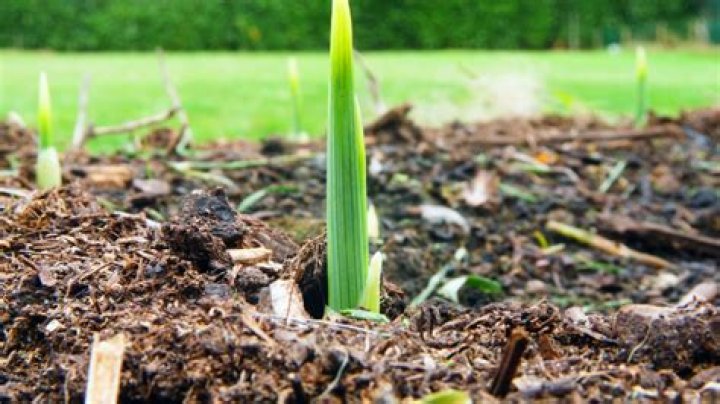
Water your clematis thoroughly after planting and then every two weeks in the first three months. Cover the soil surface around the plant base with tiles or stones to keep the roots cool and moist, which can prevent the fungal disease clematis wilt.
How do you save an overwatered clematis?
- Move your plant to a shady area even if it is a full-sun plant. …
- Check your pot for proper drainage and, if possible, create additional air space around the roots. …
- Water only when the soil is dry to the touch, but do not let it get too dry. …
- Treat with a fungicide.
How do you revive wilted clematis?
Cut back affected stems to healthy growth, even if this means to below ground level, and the clematis should send up new shoots. Bin the infected material, don’t compost it. If the problem recurs, replant in rich, fertile, well-drained soil, with the top of the rootball 8cm below ground.
Why is my clematis dying?
What Causes Clematis Wilt? … Clematis wilt occurs when a fungus infects a clematis stem near the soil line. The fungus causes lesions, which cut off the vine’s flow of water through the stems, and all parts of the plant above the injury wilt and die. A variety of fungi can cause clematis wilt.Why are my clematis flowers falling off?
Fertilizer – Improper fertilization is often the reason for a non-blooming clematis. Usually, the problem isn’t lack of fertilizer, but too much, which may produce lush foliage and few blooms. … Age – Be patient if your clematis is new; give the plant some time to establish and develop healthy roots.
How do you fix over watered succulents?
Steps on How To Save an Overwatered Succulent: Let the plant dry out completely for at least three days to a week. Set the plant somewhere bright and dry, but away from direct sunlight to avoid burning the plant and the roots. Once dry, replant in a suitable well draining potting mix and do not water immediately.
How often should I water a potted clematis?
Maintenance of container-grown Clematis Ensure they are well watered through the growing season. A clematis that dries out will not forgive you in a hurry (if at all). Do not water every day: two or three times a week is enough in the hottest, driest summers. You can feed your clematis while watering.
How do I know if I overwatered my plant?
Symptoms of overwatering include wilted leaves, even though the soil is moist. New leaves may turn brown and soft. Another sign that overwatering might be the problem is a buildup of visible salts on the soil surface. These salts look like a white, crusty, crystallized layer.How do you know if your plant is overwatered?
- Lower leaves are yellow.
- Plant looks wilted.
- Roots will be rotting or stunted.
- No new growth.
- Young leaves will turn brown.
- Soil will appear green (which is algae)
If you grow Clematis, at some point you will encounter Clematis Wilt. What happens when Clematis Wilt strikes is fairly dramatic, and almost overnight the all or parts of the plant will go brown, and it can collapse. The plant will look as if it is very dry, all brown and droopy, but in fact it is the dreaded wilt.
Article first time published onWhy has my clematis leaves turned brown?
Clematis are very thirsty plants so give them plenty of water. … In Spring/Summer If the plant is very brown, cut it back to about 18 inches from the base this will encourage fresh new growth to come from lower down the plant.
Why do my clematis leaves turn brown?
The hot sun may cause clematis leaves to turn brown, usually in the height of the summer heat. Rest assured that your clematis is not necessarily dying, but is suffering from a case of sunburn, so to speak. If possible, move the vine to a new location that gets less direct sun.
Why is my clematis wilting at the top?
On any clematis, wilting of shoots is often the result of problems such as grazing of the stems by pests (e.g. slugs and snails) or simply physical damage (such as twisting of stems in strong winds). … Clematis is a plant which, in the natural environment, prefers a deep and fertile soil in a moist and shaded habitat.
How do you look after clematis?
Once established, care of clematis vines is minimal with the exception of watering. They should be watered about an inch (2.5 cm.) or so weekly, and more deeply during dry spells. Mulch should be replenished each spring. In addition, be on the lookout for common problems affecting these plants.
How do I make my clematis flower more?
The roots need to be kept cool and shaded, but growth and flowering will be impaired if the top of the plant is kept in deep shade. Place stones or pebbles around the base of the plant, or carefully position other plants so that only the base of the clematis is shaded.
Why does my clematis only have one flower?
Improper feeding is the most common reason that a clematis doesn’t produce flowers. … You can give them a water-soluble fertilizer once during the Spring and again during the summer but if you give them too much fertilizer, and too much nitrogen specifically, it can reduce or eliminate entirely the blooms you get.
Why do clematis leaves turn yellow?
Clematis leaves can turn yellow when they get too much moisture. But if your clematis is growing in well-drained soil, yellow foliage is likely a symptom of magnesium deficiency, which usually affects the oldest leaves first. One cause is using too much fertilizer that’s high in potassium.
What does Overwatered succulent look like?
Here’s what to look for to know that your succulent is overwatered: Soft, mushy, translucent leaves–An overwatered plant will have soft, mushy leaves that may also appear shriveled. … Leaves turn black–If the overwatering continues, the leaves will start to rot and you will see them turn black.
How do you tell if your succulent is overwatered?
Signs Your Succulent Has Been Overwatered The first sign of overwatering to watch for is discoloration and change in the leaves’ form. You’ll notice the leaves becoming translucent, soft, and squishy, and unlike those that have been under-watered, they will be dropped by the plant rather than recovered.
What does a dying succulent look like?
Your succulent’s leaves may be looking yellow or transparent and soggy. Your succulent is in the beginning stages of dying from overwatering. Brown or black leaves that look like they’re rotting indicate a more advanced case. So you have to start saving your dying succulents!
Does water roll off the leaves in water plants?
Many plants are extremely water-repellent owing to their rough textures, which can trap air to provide a waterproof cushioning. In some cases, plant leaves are so repellent that no droplets can stick at all; instead, they simply bounce and roll off.
How much water is too much for a plant?
More established plants require water to a depth of five to six inches below the surface. The soil should be kept damp but not soggy — overwatered soil can deprive plant roots of oxygen and limit their ability to absorb water.
Why are the leaves on my Fatsia turning yellow?
The reason the leaves are turning yellow is most likely because your Fatsia is located in too much sunshine. Exposing these shade lovers to any but early morning sun results in chronically yellow leaves. The ugly black mold is growing on honeydew excreted by Psylla, tiny sucking insects.
How do you dry out a plant?
You can gently take the plant out of its original pot and place the root ball on top of a layer of newspaper. The newspaper will help to absorb excess water. You may need to change the newspapers a few times until it has removed as much of the water as possible.
Should you water plants everyday?
2. Water more seldom but then thoroughly. In the flower bed, one to two watering sessions per week is usually sufficient. It is better to water occasionally but with plenty of water rather than a little water often.
What are signs of root rot?
Signs of root rot in garden plants include stunting, wilting, and discolored leaves. Foliage and shoots die back and the entire plant soon dies. If you pull up a plant with root rot, you will see that the roots are brown and soft instead of firm and white.
What kills clematis?
Roundup, a broad-spectrum herbicide, kills any plant it touches, including clematis (Clematis spp.), a perennial with hundreds of early, mid-season and late-flowering varieties spanning U.S. Department of Agriculture plant hardiness zones 3 to 11.
How do you save a clematis plant?
To give your clematis the best chance of surviving clematis wilt, cut the affected stems back to ground level at the first sign of withering or drying. It sounds drastic, but it can save your plant. Dispose of the cuttings rather than composting them.
Should I cut dead leaves off clematis?
Early flowering – Pruning Group One If your clematis flowers in winter or spring, it is in Pruning Group One. As a rule of thumb, if it flowers before June, don’t prune. … Remove any dead or damaged stems, and prune to fit the space you have.
Can you cut clematis back to the ground?
Arguably the easiest to prune, cut your late-flowering clematis back to a pair of strong buds about 20cm (8”) above the ground in spring before they start into active growth. Pruning clematis needn’t be a headache.
When should I cut down my clematis?
Clematis should be given a moderate trim. Since they bloom on old and new wood alike, you want to trim enough to encourage new growth, but without losing any promising buds. Remove dead wood and cut back the remaininsg tems just 6 to 8 inches. Do this trim in March, before the blooming has begun.